


From Soil to Sweets: A Guide to Spring Planting

There is a certain magic that happens in May. The air loses its bite, the days stretch longer, and the earth finally feels ready to wake up. For those of us who find as much joy in the garden as we do in the kitchen, this is the most important month of the year.
At Country Nuts & Confections, we believe the best flavors start with the best ingredients. Whether you’re a seasoned gardener or just starting your first raised bed, planting in the spring is the first step toward those mouth-watering autumn bakes.

Understanding Your Zone
Before you dig in, it’s vital to look at your "Hardiness Zone." The United States is a patchwork of climates, and what works for a gardener in the humid South won't necessarily thrive in the crisp air of the North.
In the North (Zones 3-5): You are likely just seeing the last of the frost. Focus on hearty vegetables and perennials that can handle a surprise chilly night.
The Central Belt (Zones 6-7): This is your prime time! Almost everything can go into the ground now, from delicate herbs to fruit-bearing shrubs.
The South (Zones 8-10): Summer arrives early for you. Plant heat-loving varieties now so they can establish deep roots before the July sun truly kicks in.

Planting for the Baker’s Pantry
When we plan our garden, we think about the recipes we want to create. Here are three essentials every "baking garden" should have:
1. The Berry Patch
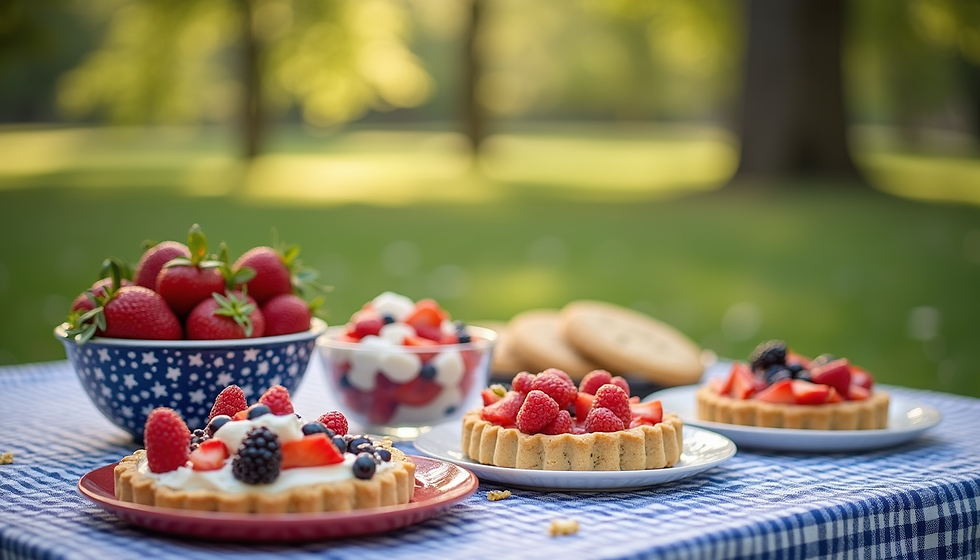
Strawberries and blueberries are the crown jewels of spring planting.
The Harvest: A warm summer afternoon picking berries.
The Bake: A rustic galette topped with shaved almonds or a light lemon-blueberry cake with a walnut crumble.
2. Fragrant Herbs
Herbs aren't just for savory dishes!
Lavender: Plant this in a sunny, well-drained spot. Dried lavender buds folded into shortbread or infused into honey are divine.
Mint: It grows like a weed (keep it in a pot!), but there is nothing better than fresh mint chopped into a chocolate chip cookie dough or used as a garnish for nut brittle.
3. The "Hidden" Ingredients
Don't forget the vegetables that add moisture and structure to your favorite loaves.
Zucchini: One or two plants will provide enough harvest for a dozen loaves of Zucchini Nut Bread.
Pumpkins: If you want "from scratch" pumpkin pies in November, you must get those seeds in the dirt by late May.

Three Tips for Spring Success
Test Your Soil: Your plants can only give what they get. Add a layer of fresh compost to give your seeds the nutrients they need to sprout strong.
Water Deeply: Instead of a light sprinkle every day, give your garden a deep soak a few times a week. This encourages roots to grow deep into the earth, making them more resilient to summer heat.
Hardening Off: If you started your seeds indoors, don't rush them out! Give them a few hours of outdoor time each day for a week to get them used to the wind and sun.
What are you putting in the ground this year? We’d love to hear about your garden plans—especially if they involve future baking!
Happy Gardening!
The Team at Country Nuts & Confections
What's your favorite thing to bake with fresh-from-the-garden ingredients?


Comments